This module will show how to use the mathematics of calculus,
vectors, and matrices to model and understand real physical
systems. We will use Newtonian dynamics to look at projectiles,
oscillations, and other mechanical systems.
This module will introduce you to some of the kinds of
mathematical models that are used to understand and predict the
behaviour of the real world, along with some of the analytical and
computational methods used to work with those models.
Some types of mathematical models are based on physical principles
that are so well established that they are considered to be ‘Laws
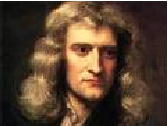
of Nature’; Newton’s Laws of Motion and his Law of Gravitation are
prime examples.
Other types of mathematical model are rather more empirical,
though they can still be extremely useful. Examples that we will
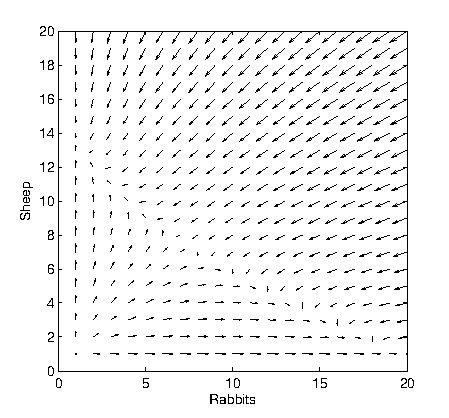
look at include Lotka-Volterra models for population dynamics.
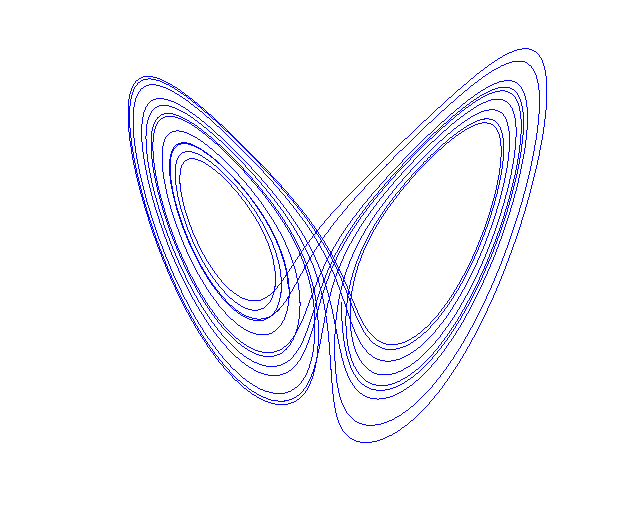
The term Dynamical System can refer to any system with time
dependence. Examples include Newtonian dynamics, population
dynamics, the spread of infectious diseases, and much more.
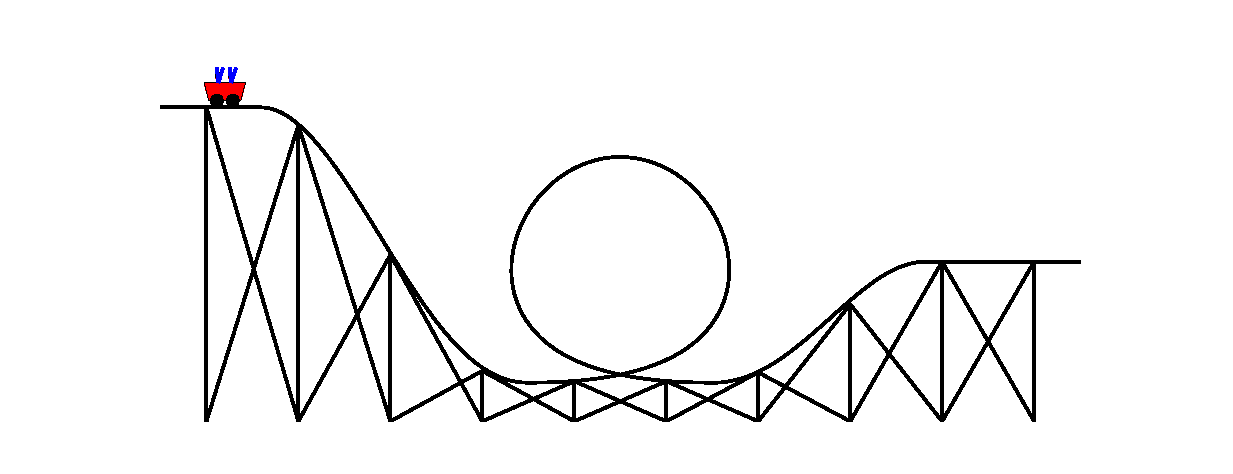
Example: To make progress as applied mathematicians we must
work with approximate models. For example, consider a car
on a rollercoaster. What factors can we ignore, and which are
essential?
In some cases (actually rather rare in the messy real world) we
can solve a mathematical model using analytical
methods, for example based on calculus, vectors, or matrices,
and obtain exact formulae.
To learn about computational methods in mathematical modelling we
will use the language Python. The key concepts behind coding
in Python are the same as those behind coding in many modern
programming languages.
In the first few weeks of this module we will spend some time
learning enough Python to be able to do something interesting.
Getting Started
You can use Python on any PC across the University, in
particular during our computer practical laboratory sessions.
You need to launch Anaconda Navigator and we will use Jupyter
Lab.
If you have your own laptop or desktop you can install Anaconda
following the instructions
here.
There are many excellent resources for learning Python. See the
books on the reading list below and links under the Python tile on ELE.